eDNA
Detect traces of genetic material left by organisms in the water.
 Norcross Wildlife Foundation
A look into the largest freshwater restoration project in Massachusetts
A living restoration project shaped by water, wildlife, research, education, and community partnership.

The Vinica Brook Restoration Project
Vinica Brook is is not just a construction project. It is a long-term effort to restore natural processes, strengthen habitat, create opportunities for learning, and understand what it takes to restore an entire watershed.
The restoration
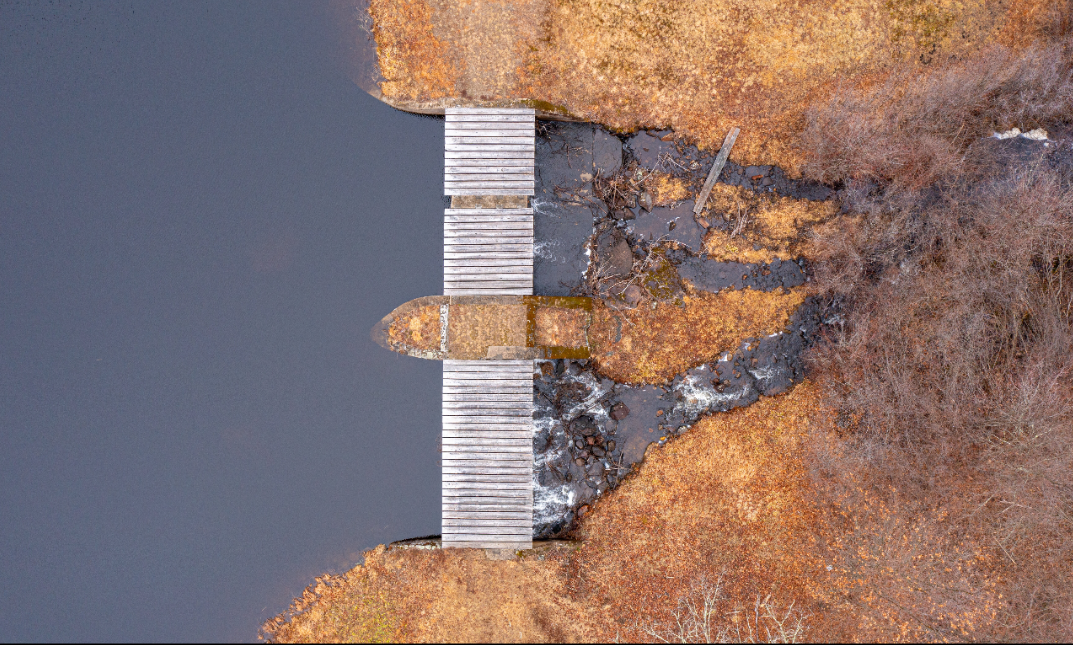
The challenges facing wildlife today are different from those of nearly a century ago, and our understanding of how ecosystems function has also grown. Climate change, habitat fragmentation, warming streams, invasive species, and other environmental pressures require us to think about conservation at the scale of entire, connected ecosystems. Today, restoring Vinica Brook represents the next chapter of that same conservation vision, rather than maintaining aging dams, artificial impoundments, roads, and other structures that alter natural processes, NWF is using the best ecological knowledge available to allow natural processes to return, reconnect habitats, and build a watershed that is more resilient to the environmental challenges of the next century.
Education
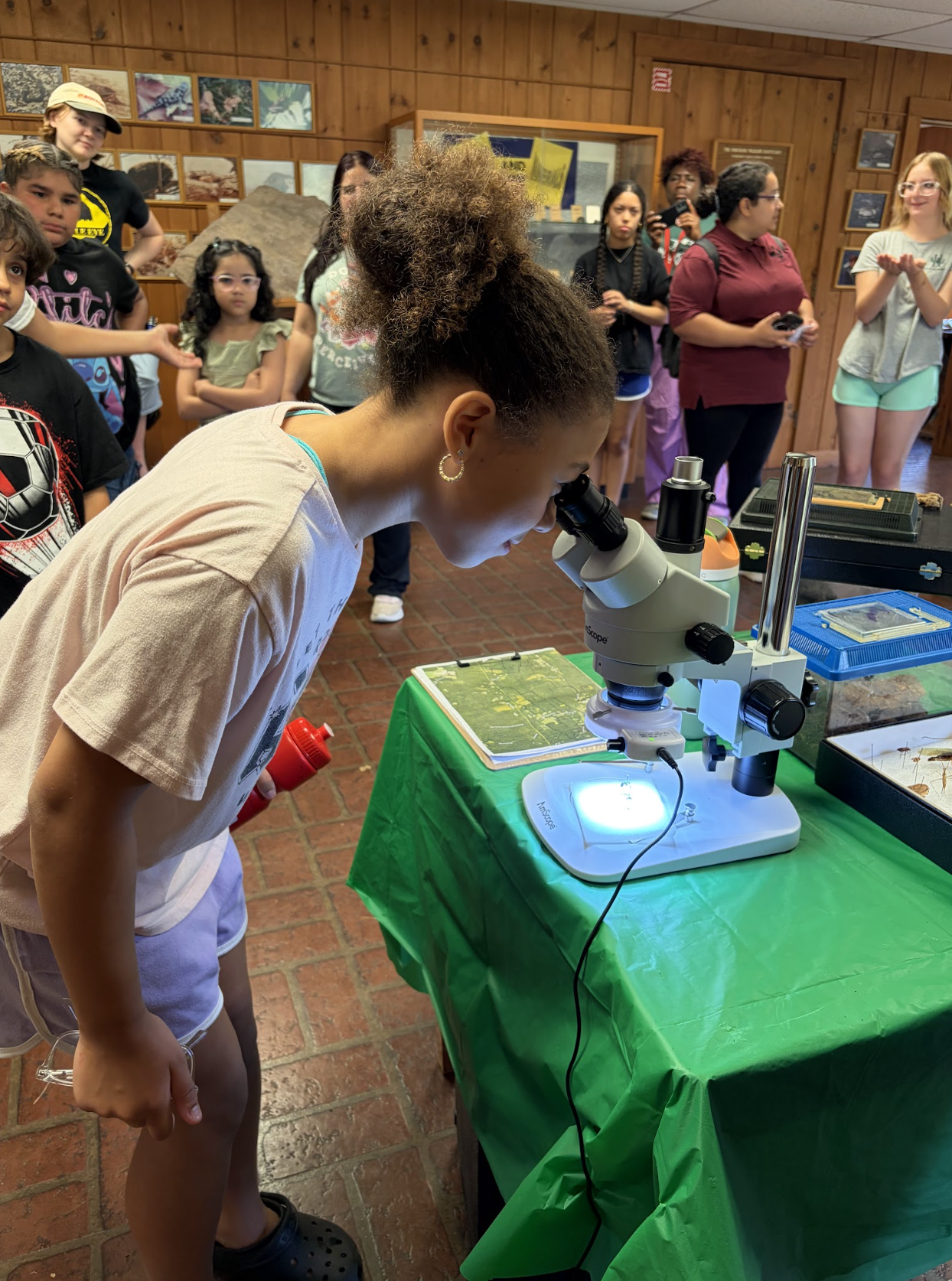
The Vinica Brook restoration will create a place where K–12 students, university partners, and our local communities can experience biology, ecology, conservation studies, and hydrology through direct observation and fieldwork.
Partnerships
Restoring an ecosystem at this scale requires collaboration across disciplines, organizations, and communities. The Vinica Brook Restoration brings together expertise in ecology, hydrology, engineering, fisheries, wildlife biology, environmental DNA (eDNA), wetland science, and ecological restoration The effects of a restoration in the ecosystem are stronger when multiple ways of understanding a landscape are brought together.





Wildlife & habitat
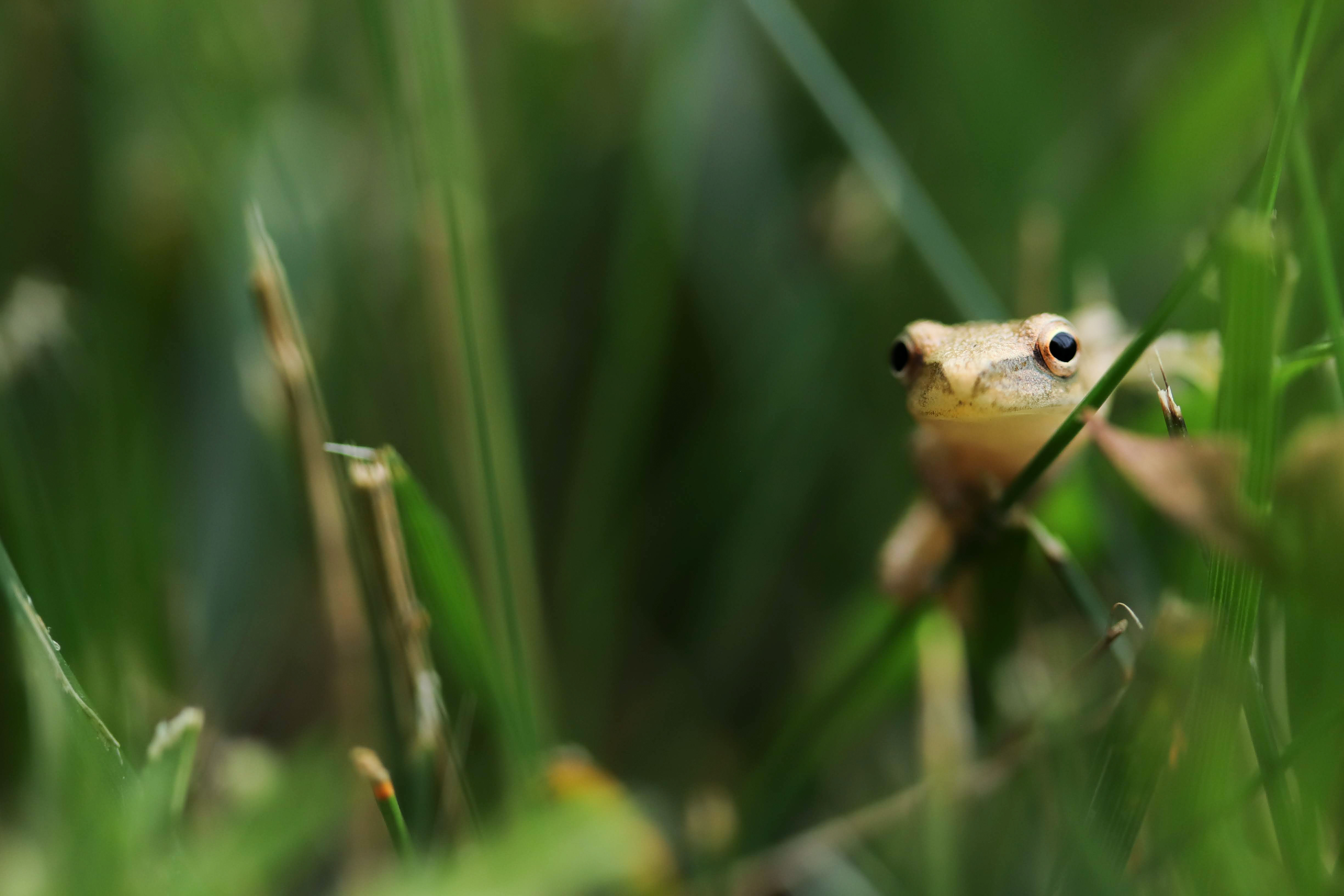
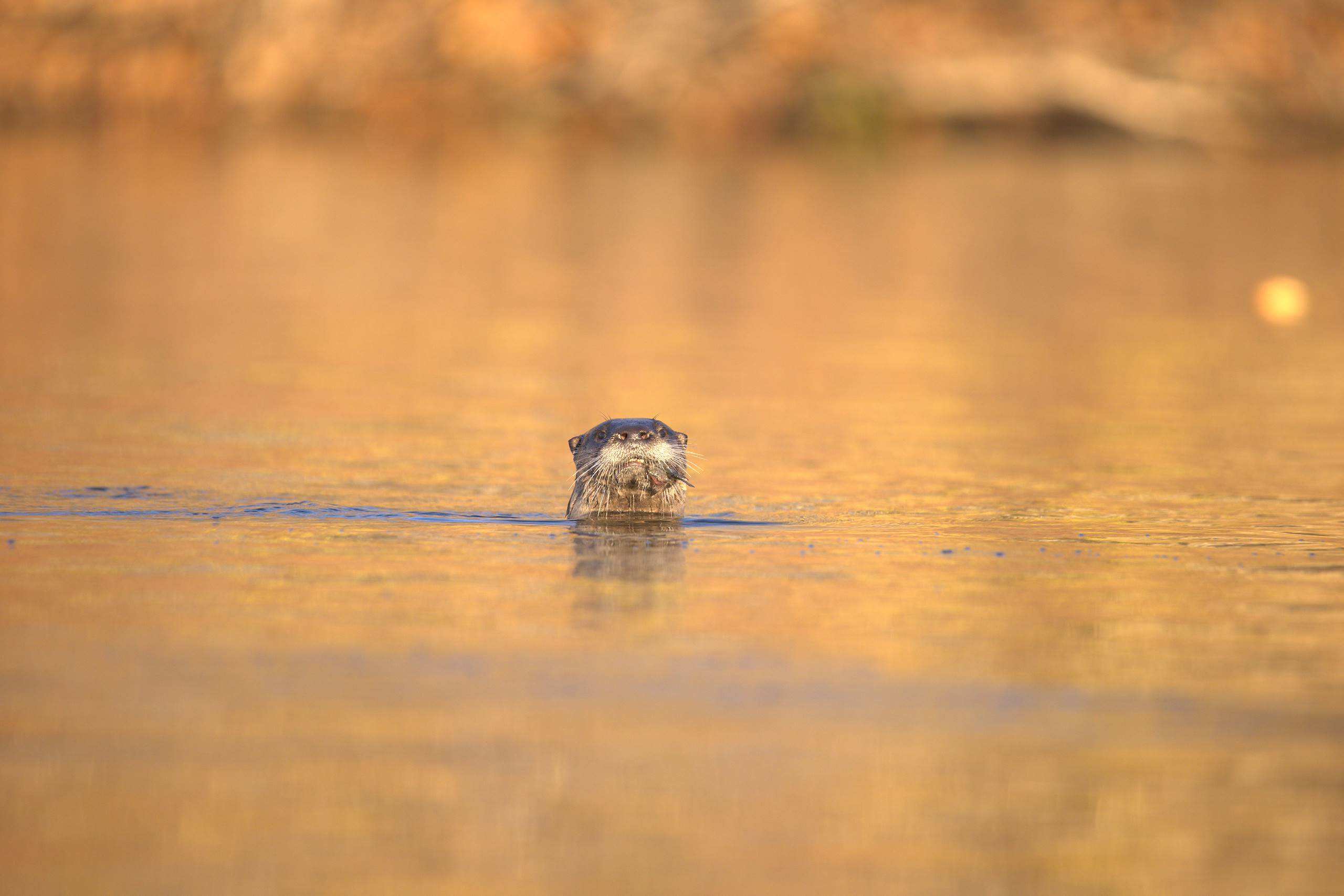
Vinica Brook is part of a much larger ecological network. Its headwater streams, wetlands, and forests provide important habitat and connections for wildlife while influencing water quality and ecosystems downstream. Approximately 95% of the watershed is designated as BioMap3 Critical Natural Landscape, and Vinica Brook lies within important regional conservation corridors, including the Quabbin Corridor and the Last Green Valley National Heritage Corridor. By reconnecting more than 14 miles of streams and over 300 acres of wetlands, the restoration will improve natural hydrology, water quality, and habitat connectivity — helping strengthen the biodiversity and long-term resilience of the region.
Research
Baseline surveys give researchers a picture of Vinica Brook today. Continued monitoring will help document how water, habitat, and wildlife respond to restoration.
Detect traces of genetic material left by organisms in the water.
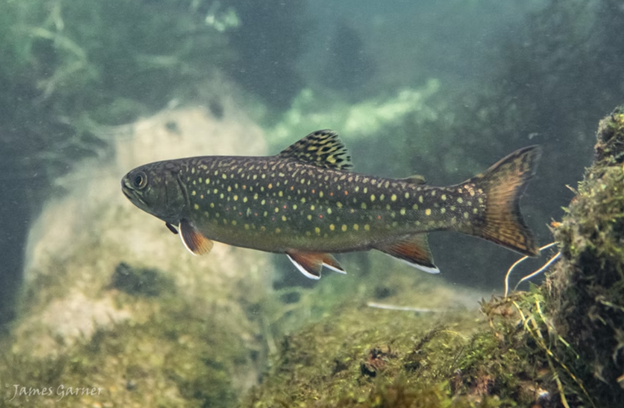
Document fish communities through field sampling.
Use small aquatic animals as indicators of stream health.
Compare ecological conditions as restoration progresses.
A watershed in progress
To find out more about our efforts to restore the vinica brook watershed, check out our seminar series or visit our website. Follow the links below.
Norcross Wildlife Foundation
Wales, Massachusetts